

SS304 vs SS316L is one of the most common material choices when selecting stainless steel process equipment. Both grades are widely used for mixing tanks, reactors, storage tanks and other processing vessels, but their corrosion resistance and suitable applications are different. The right material depends on factors such as the process media, chloride content, cleaning chemicals, operating temperature and hygiene requirements. Understanding these differences can help buyers choose a suitable material without adding unnecessary equipment cost.
SS304 vs SS316L: Quick Comparison
| Selection Factor | SS304 | SS316L |
|---|---|---|
| General Corrosion Resistance | Good | Higher |
| Chloride Resistance | Moderate | Better |
| Molybdenum | No intentional Mo addition | Contains molybdenum |
| Typical Cost | Lower | Higher |
| Common Applications | General processing | More corrosive processes |
| Material Selection | Suitable for many standard duties | Consider for more demanding conditions |
Material selection should always be based on the actual process media, concentration, operating temperature, cleaning method and process conditions.
What Is SS304 Stainless Steel?
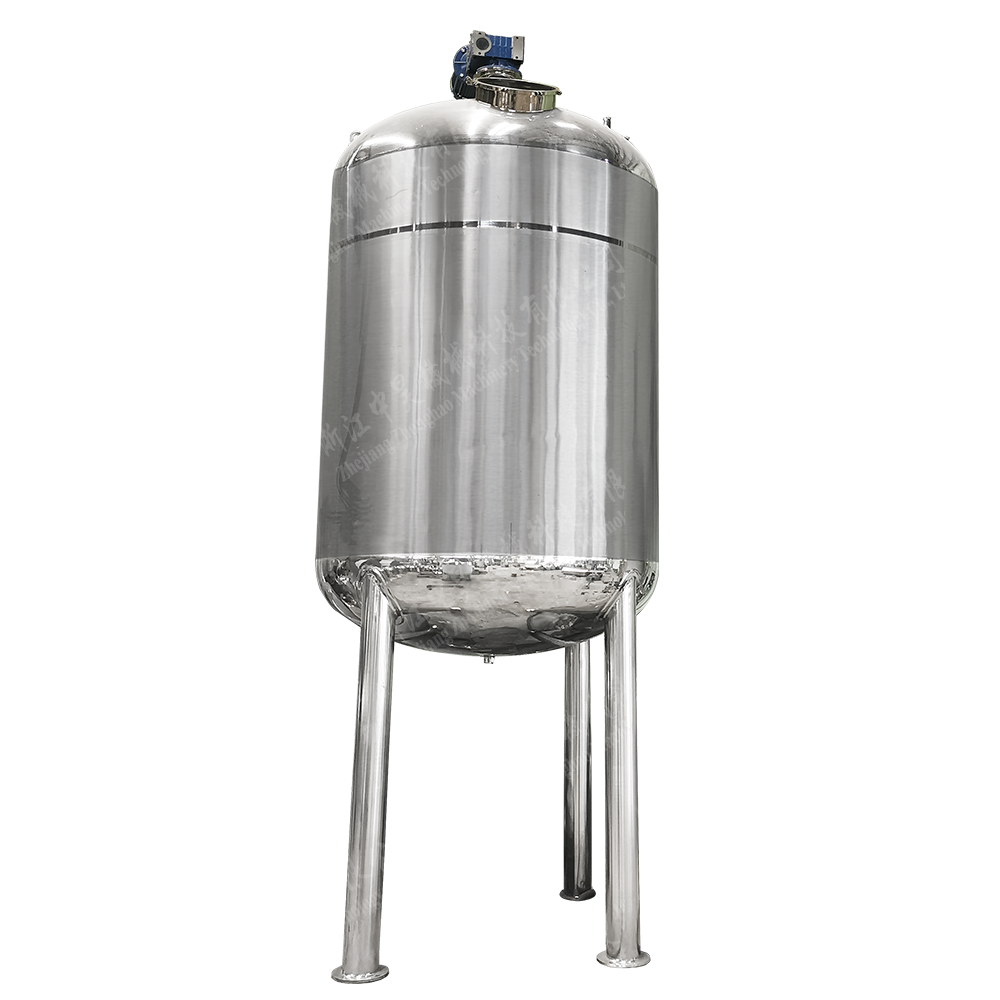
SS304 is one of the most widely used stainless steel grades for general process equipment. It offers good corrosion resistance, good fabrication performance and is suitable for many common food, beverage, cosmetic and industrial processing applications. For equipment operating under normal conditions without high chloride levels or strongly corrosive media, SS304 is often a practical and cost-effective material choice.
What Is SS316L Stainless Steel?
SS316L is a low-carbon stainless steel grade that contains molybdenum, giving it better resistance to localized corrosion than SS304, especially in chloride-containing environments. It is commonly considered for process equipment handling more corrosive media, stronger cleaning chemicals or more demanding hygienic conditions. However, SS316L is not automatically required for every application, so the actual process conditions should be reviewed before material selection.
Key Differences Between SS304 and SS316L
When comparing SS304 vs SS316L for process equipment, the main difference is corrosion resistance. SS316L contains molybdenum, which improves resistance to localized corrosion, especially in environments where chlorides are present. SS304 is commonly used for many general processing duties, while SS316L is often considered when the product, cleaning chemicals or operating conditions are more demanding. Cost is also a factor, because SS316L is typically more expensive than SS304.
When to Choose SS304
SS304 is often a suitable choice for general food, beverage, cosmetic and industrial processing where the product is not highly corrosive and chloride exposure is limited. It is widely used for mixing tanks, storage tanks and other process vessels because it provides a good balance between corrosion resistance, fabrication performance and cost.
When to Choose SS316L
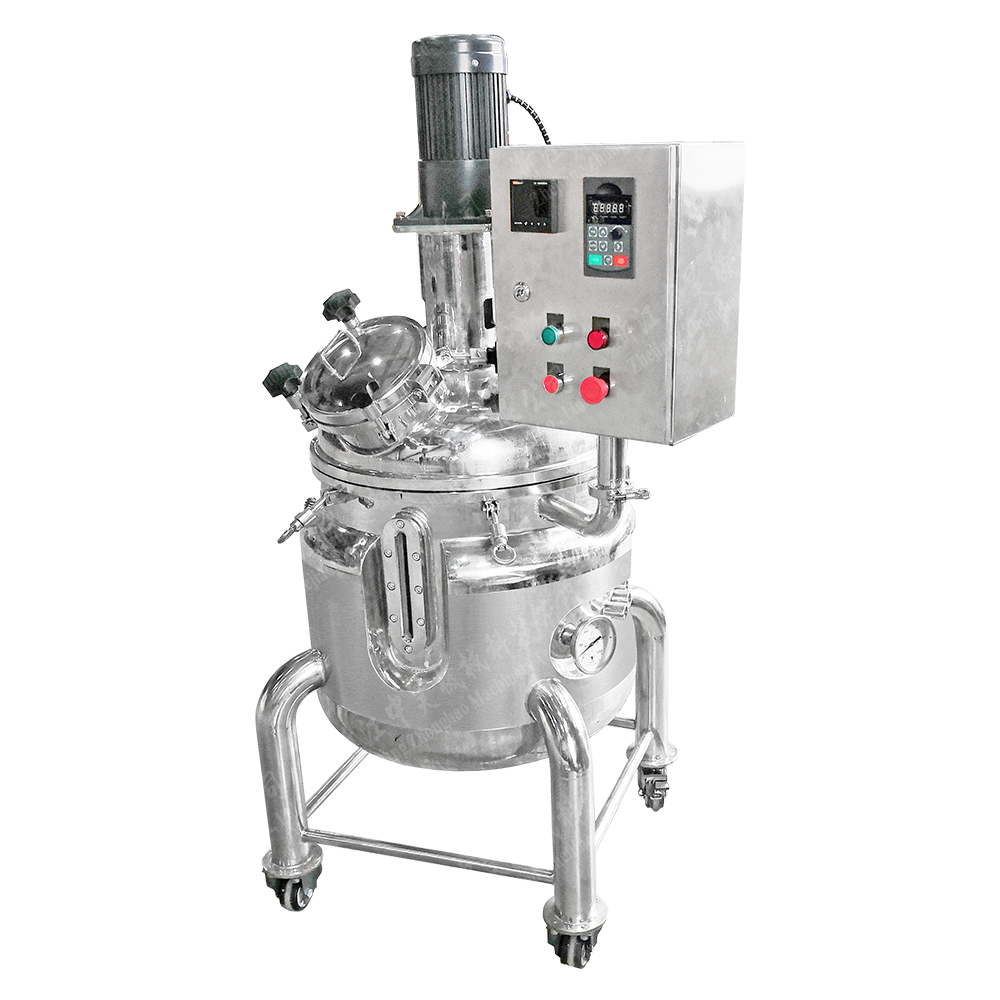
SS316L is often considered when the process involves chloride-containing media, stronger cleaning chemicals, acidic products or more demanding hygiene requirements. Its improved corrosion resistance can be useful for reactors, mixing tanks and other process equipment operating under harsher conditions. However, the final choice should still be based on the actual media, concentration, temperature and cleaning process.
Factors to Consider Before Choosing SS304 or SS316L
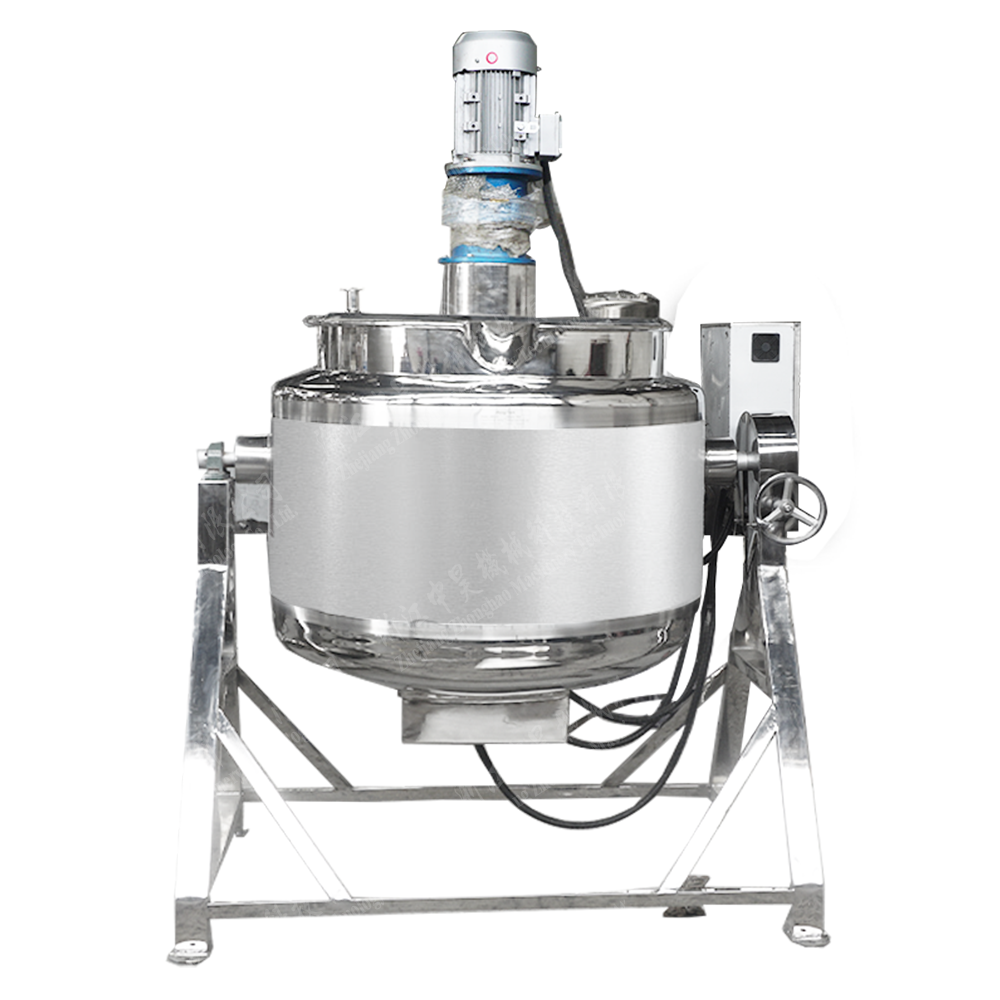
Before choosing between SS304 and SS316L, buyers should consider the actual process media, chloride content, acidity, operating temperature, cleaning chemicals and hygiene requirements. Equipment design and operating conditions also matter, because material selection should be based on the complete process rather than the equipment name alone.
Material Selection for Different Process Equipment
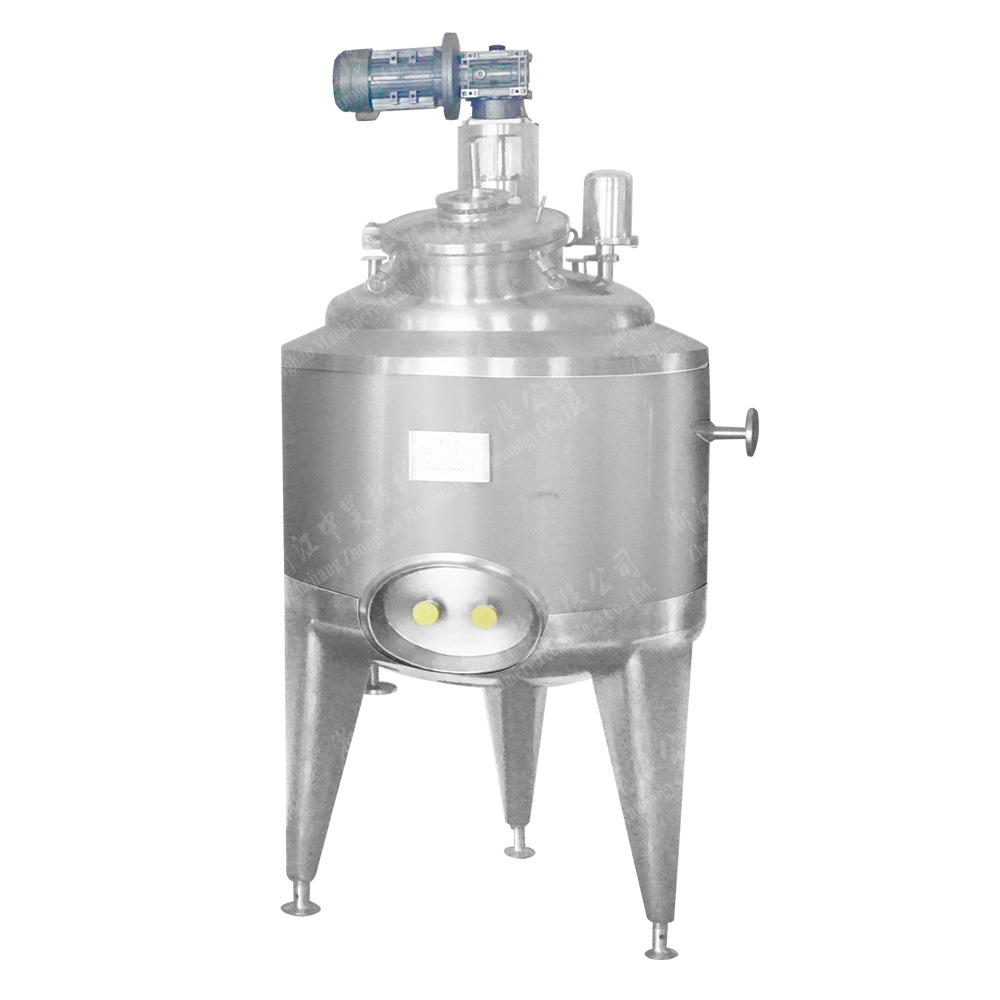
The same type of equipment can be manufactured in either SS304 or SS316L depending on the process. Mixing tanks and storage tanks used for general products may often use SS304, while reactors or process vessels handling more corrosive media may require SS316L. The equipment type alone does not determine the material grade. Product composition, cleaning chemicals, temperature and operating conditions should always be considered together.
Frequently Asked Questions About SS304 vs SS316L
Is SS316L always better than SS304?
No. SS316L offers better corrosion resistance in many demanding conditions, but SS304 is often sufficient for general processing and is usually more economical. The better choice depends on the process media, chloride exposure, cleaning chemicals, temperature and hygiene requirements.
Can SS304 be used for food processing equipment?
Yes. SS304 is widely used for many food and beverage processing applications where the product and cleaning conditions are not highly corrosive. However, processes involving high chloride levels, salt, acidic media or more aggressive cleaning chemicals may require SS316L or another suitable material.
Why is SS316L more expensive than SS304?
SS316L is usually more expensive because it contains molybdenum and generally has a higher alloy content than SS304. These alloying elements improve corrosion resistance but also increase material cost. For this reason, SS316L is normally selected when the process conditions justify the additional corrosion resistance.
Can the same equipment be made in SS304 or SS316L?
Yes. Many mixing tanks, reactors and storage vessels can be manufactured in either SS304 or SS316L. The suitable grade depends on the product being processed, corrosion risk, cleaning chemicals, temperature and operating conditions. Material selection should therefore be confirmed according to the actual process requirements.
Need Help Choosing Between SS304 and SS316L?
If you are unsure which stainless steel grade is suitable for your process, share your product, operating temperature, cleaning method and basic equipment requirements with us. We can help you review the application and recommend a suitable material and equipment configuration.