
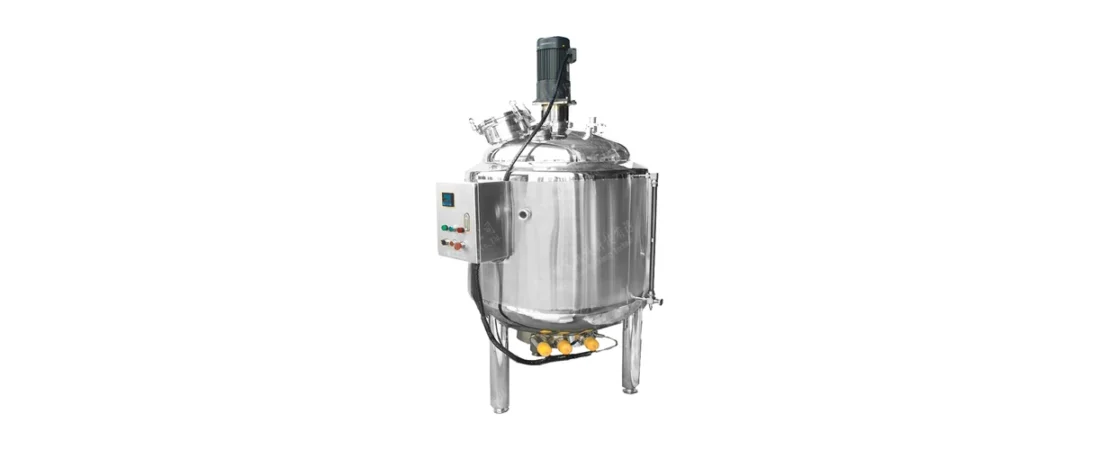
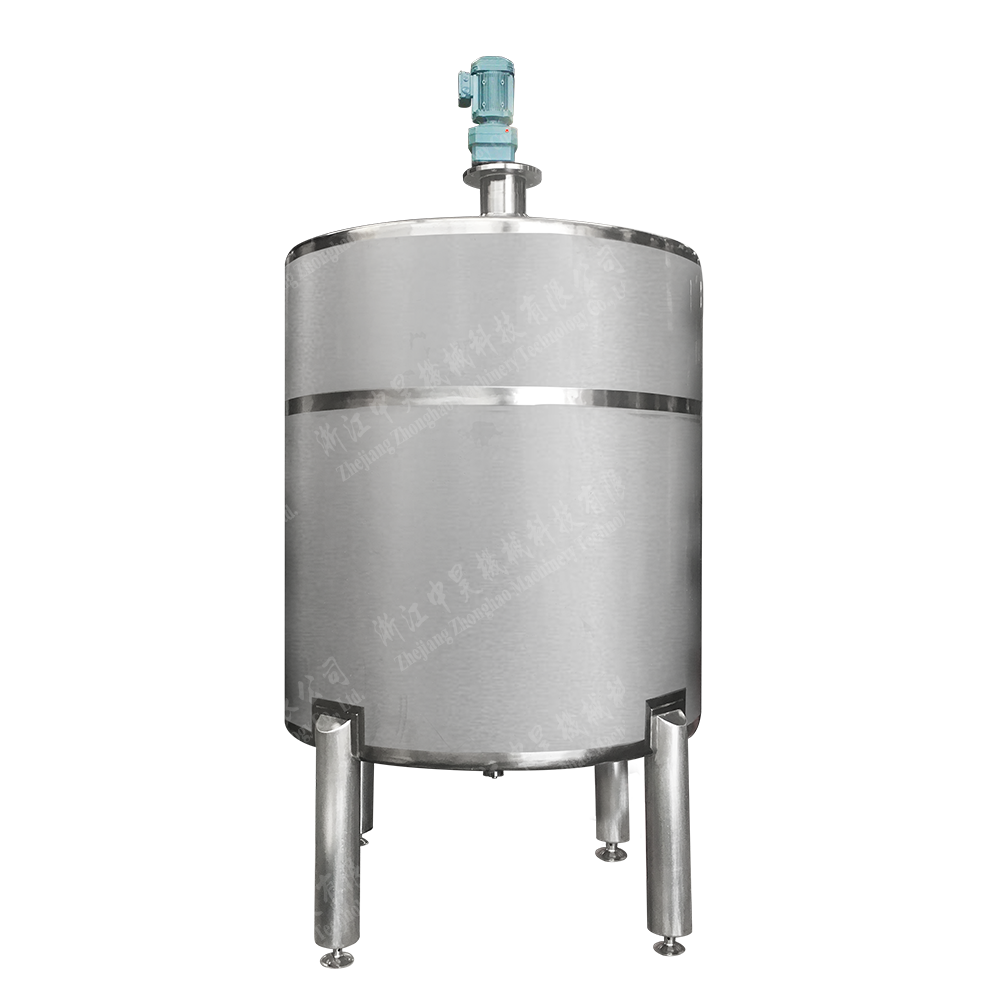
A stainless steel mixing tank is widely used for blending, dissolving, stirring, heating or cooling liquid and low-to-medium viscosity materials. Depending on the process, the vessel can be configured with different agitators, heating or cooling jackets, variable-speed control and cleaning components.
Choosing the right mixing tank is not only about tank capacity. Product viscosity, mixing purpose, temperature requirements, agitator type and cleaning conditions can all affect the final equipment configuration.
This guide explains the basic working principle of a stainless steel mixing tank, the main configuration options, typical applications and the key information to consider before selecting equipment.
What Is a Stainless Steel Mixing Tank?
A stainless steel mixing tank is a process vessel equipped with an agitation system to create controlled movement of materials inside the tank. It can be used for operations such as simple liquid blending, dissolving ingredients, maintaining product uniformity or preparing materials before the next production stage.
The vessel can be manufactured from SUS304 or SUS316L stainless steel according to the product and processing requirements. Tank construction may be single-layer, jacketed or insulated depending on whether temperature control is required.
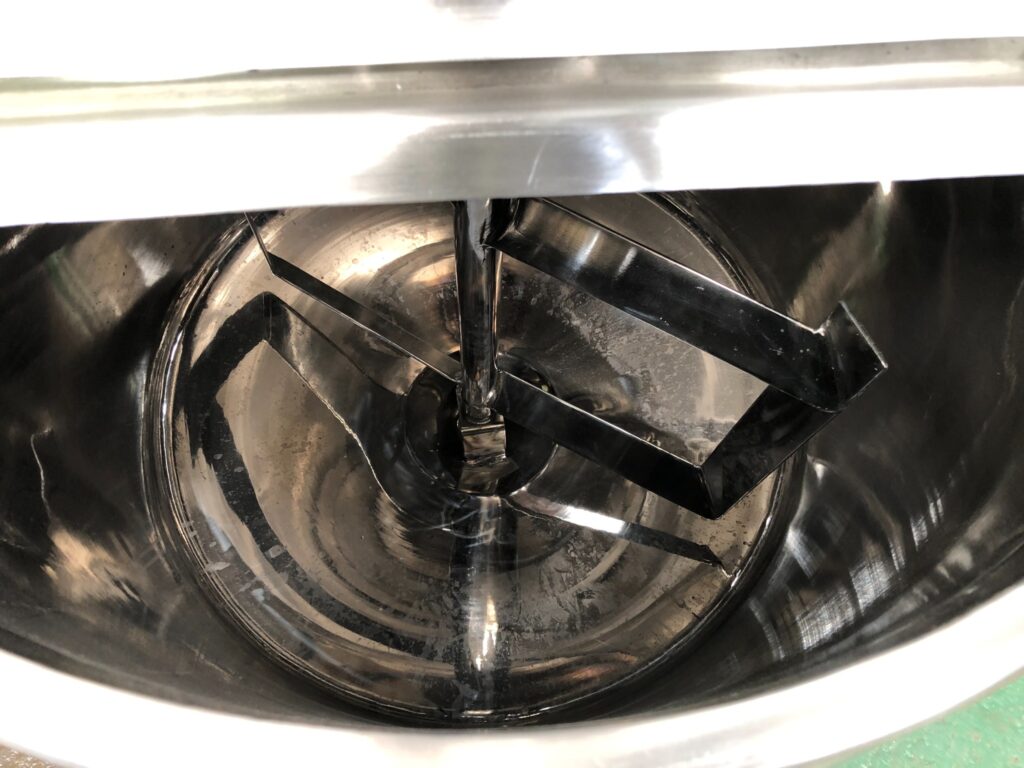
The mixing system is also selected according to the material. Propeller, paddle, anchor and frame-type agitators are commonly considered for different flow patterns and viscosity ranges.
For this reason, two mixing tanks with the same capacity may still have very different agitators, motor configurations and tank structures.
How Does a Stainless Steel Mixing Tank Work?
The mixing process starts when the electric motor drives the agitator shaft and mixing element inside the vessel. As the agitator rotates, it creates controlled circulation and moves material through different areas of the tank.
The required flow pattern depends on the product and the purpose of the process. Lower-viscosity liquids may require relatively simple circulation, while thicker materials may need an agitator designed to move product more effectively through the vessel and near the tank wall.
When temperature control is required, the tank can be designed with a heating or cooling jacket. Agitation helps distribute the material during the process while the jacket provides the required heating or cooling function.
For this reason, agitator type, mixing speed, tank geometry and temperature-control requirements should be considered together when selecting a mixing tank.
Main Configurations to Consider
The configuration of a stainless steel mixing tank should match the actual product and production process. Agitator design, temperature control, speed adjustment and process connections are among the main factors to consider before the equipment is finalized.
Agitator Type
Propeller, paddle, anchor and frame-type agitators can be selected for different flow patterns, viscosities and mixing requirements.
Heating and Cooling
A jacketed vessel can be configured when the process requires heating, cooling or temperature holding. The suitable heating or cooling method depends on the operating conditions.
Speed Control
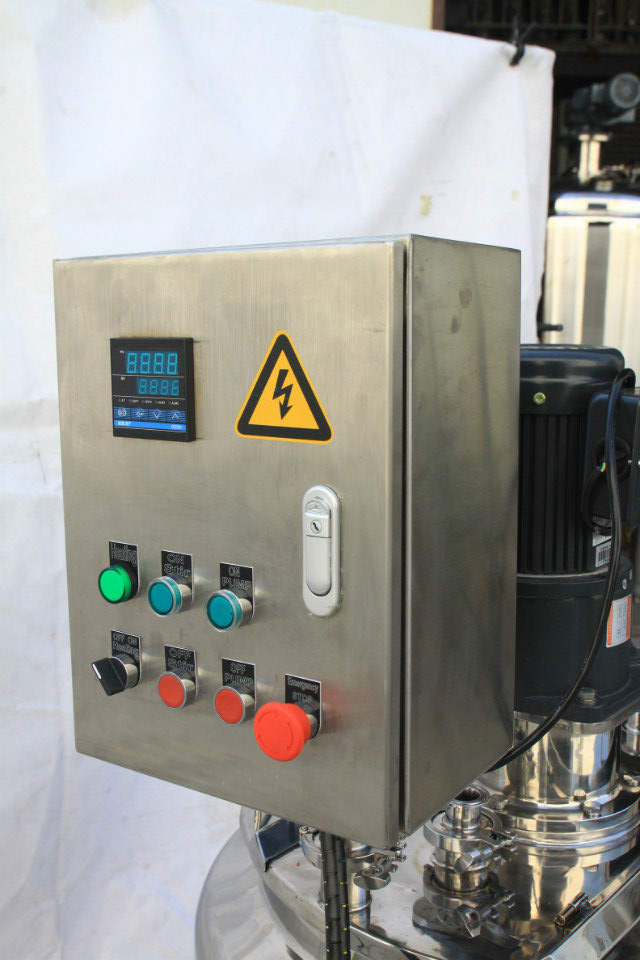
Variable-frequency speed control can be used when different products or process stages require different agitation speeds.
Connections and Cleaning
Inlet, outlet and sanitary connections can be configured according to the process. Cleaning devices and other optional components can also be added when required.
Typical Applications
Stainless steel mixing tanks are used in a wide range of liquid-processing applications where ingredients need to be blended, dissolved, heated, cooled or maintained in a uniform mixture.
Typical applications include food and beverage processing, cosmetic and personal-care products, liquid detergents, pharmaceutical processing and chemical production.
The final tank configuration should be selected according to the actual material and process requirements. Product viscosity, temperature, cleaning requirements and the required mixing result can all influence the agitator and vessel design.
How to Choose the Right Mixing Tank
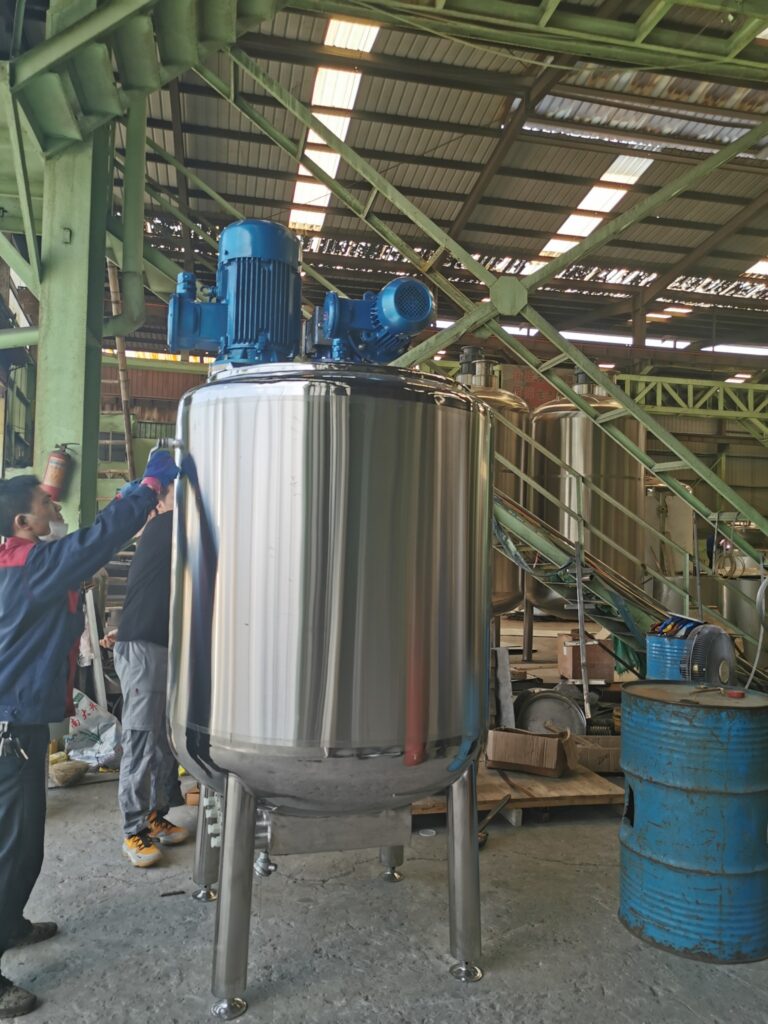
Selecting the right mixing tank starts with understanding the actual product and production process. Capacity is important, but viscosity, mixing purpose, temperature control and cleaning requirements also influence the final equipment design.
1. Batch Capacity
Confirm the required working volume for each batch. The tank should provide suitable working space for mixing rather than being selected only by nominal volume.
2. Product Characteristics
Consider the viscosity and general characteristics of the material. Low-viscosity liquids, thicker products and mixtures containing powders or suspended solids may require different agitation systems.
3. Mixing Purpose
Define whether the process requires simple blending, dissolving, maintaining uniformity or another specific mixing result. This helps determine the suitable agitator type and operating speed.
4. Heating or Cooling Requirements
If temperature control is required, confirm the working temperature and whether heating, cooling or temperature holding is needed during the process.
5. Cleaning and Discharge
Cleaning method, outlet position and connection type should also be considered. These details can affect daily operation, product discharge and equipment maintenance.
Providing this basic process information before quotation makes it easier to determine a suitable tank structure, agitator and control configuration.
Frequently Asked Questions
What information should I provide when selecting a mixing tank?
Please provide the product or material, required batch capacity, approximate viscosity, mixing purpose, operating temperature and any heating, cooling or cleaning requirements. This information helps determine the appropriate vessel and agitation configuration.
What is the difference between SUS304 and SUS316L?
Both materials are commonly used for stainless steel process equipment. The suitable material should be selected according to the processed product, cleaning conditions and corrosion requirements.
Can a stainless steel mixing tank be heated or cooled?
Yes. A jacketed mixing tank can be configured for heating or cooling when temperature control is required during the process. The suitable method depends on the operating conditions and available utilities.
Can the mixing speed be adjusted?
Yes. Variable-frequency speed control can be configured when different products or process stages require different agitation speeds.
Can the tank be customized?
Yes. Tank capacity, agitator type, vessel structure, connections, heating or cooling configuration, control system and optional components can be customized according to the process requirements.
Need Help Selecting the Right Mixing Tank?
The suitable mixing tank depends on the material, batch size, viscosity, mixing purpose and required process conditions.
Send us your basic product and process information, including batch capacity, viscosity, temperature requirements and heating or cooling needs. Our team can help review the suitable tank structure and mixing configuration for your application.