
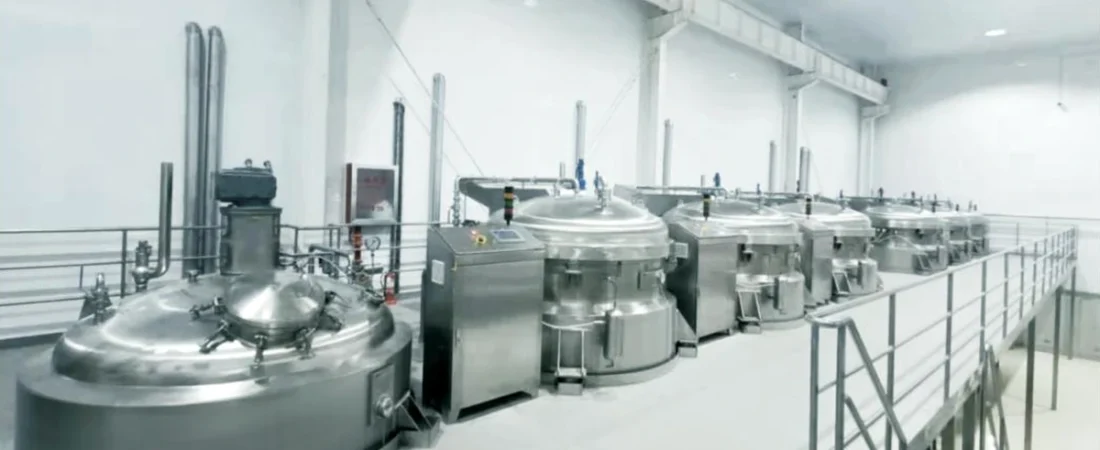
Industrial extraction and concentration systems are widely used to process botanical materials, herbal extracts, food ingredients and other liquid-based products. These systems combine different processing stages, such as extraction, filtration, evaporation and liquid recovery, to obtain the required product concentration and prepare materials for further processing.
Selecting the right extraction and concentration system depends on raw material characteristics, processing capacity, heating method, operating temperature, solvent requirements and the desired final product. This guide explains the main equipment, typical process flow, available configurations and important selection factors to help manufacturers plan a suitable extraction and concentration solution.
What Is an Extraction and Concentration System?
An extraction and concentration system is a combination of processing equipment designed to extract soluble compounds from raw materials and concentrate the resulting liquid extract. Depending on the application, extraction and concentration can be performed using separate machines or integrated into a complete processing system.
During extraction, raw materials are contacted with a suitable solvent, such as water or another process-compatible extraction liquid, under controlled operating conditions. After filtration or solid-liquid separation, the extract can be transferred to a concentration system, where part of the liquid is removed through evaporation to achieve the required product concentration.
A complete extraction and concentration system may include extraction tanks, filtration equipment, evaporators, condensers, solvent recovery equipment, transfer pumps and control systems. The appropriate equipment configuration depends on the raw material, solvent properties, processing capacity, operating temperature and final product requirements.
Typical Extraction and Concentration Process Flow
A typical extraction and concentration process involves several stages, from raw material preparation and extraction to filtration, evaporation and product collection. The actual process configuration depends on the raw materials, solvent properties, production capacity and required final concentration.
1. Raw Material Preparation
Raw materials are prepared according to the production requirements before entering the extraction equipment. Depending on the material, preparation may include cleaning, cutting, crushing or other suitable pretreatment steps.
2. Extraction
Prepared materials are loaded into the extraction tank and contacted with a suitable extraction solvent, such as water or another process-compatible liquid. The extraction process is carried out under controlled operating conditions to separate the desired soluble compounds from the raw materials.
3. Solid-Liquid Separation
After extraction, the liquid extract is separated from the remaining solid materials through suitable filtration or solid-liquid separation equipment. The collected extract can then be transferred to the concentration stage.
4. Concentration
The filtered extract enters a concentration system, where part of the solvent is removed through evaporation to increase the concentration of the desired components. Vacuum concentration may be selected for applications requiring reduced operating temperatures.
5. Condensation and Solvent Recovery
Vapor generated during concentration can be directed to a condenser, where it is cooled and converted back into liquid. Depending on the system design and solvent requirements, the condensed liquid may be collected for recovery, reuse or further treatment.
6. Product Discharge and Transfer
After reaching the required concentration, the concentrated product is discharged and transferred to suitable storage tanks or downstream processing equipment. The discharge and transfer arrangement depends on the product characteristics and production requirements.
The complete process can be customized with suitable extraction tanks, filtration equipment, single-effect or multi-effect concentrators, condensers, transfer pumps and control systems.
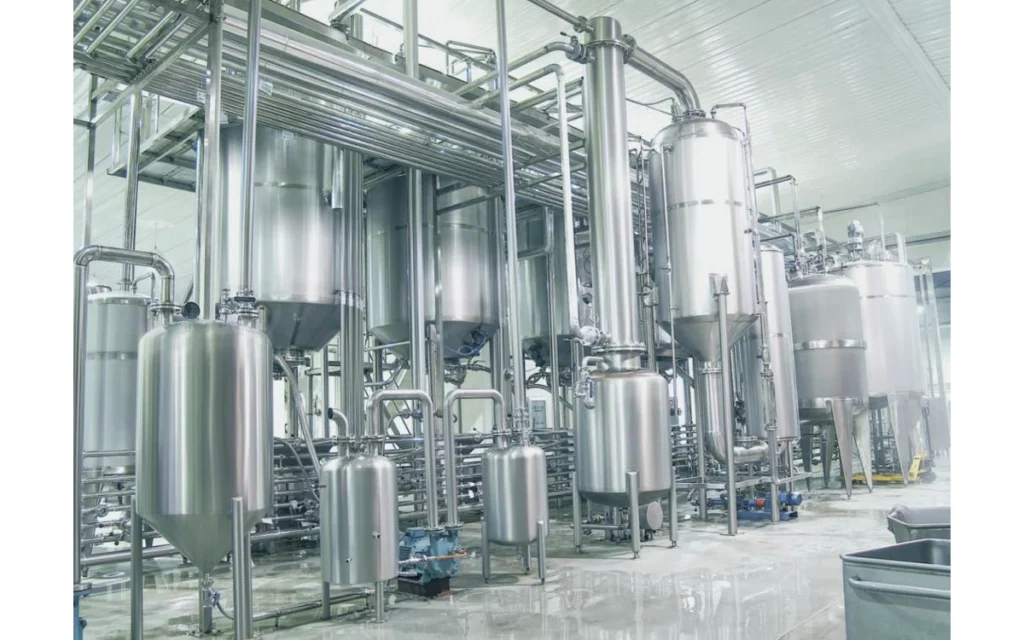
Main Equipment in an Extraction and Concentration System
An extraction and concentration system consists of several types of processing equipment that work together to extract, separate, concentrate and recover liquid materials. The equipment arrangement can be customized according to raw material characteristics, solvent selection, production capacity and process requirements.
1. Extraction Tank
The extraction tank is used to contact raw materials with a suitable extraction solvent under controlled processing conditions. Depending on the application, extraction tanks may be equipped with heating jackets, agitation systems, filtration arrangements and suitable discharge connections.
Extraction tanks are commonly used for botanical extracts, herbal materials, food ingredients and other applications requiring solid-liquid extraction.
2. Filtration Equipment
Filtration equipment separates liquid extracts from remaining solid particles before concentration. Depending on the material characteristics and required separation performance, suitable filters or other solid-liquid separation equipment can be selected.
Proper filtration helps prepare the extracted liquid for subsequent evaporation and concentration.
3. Single-Effect Concentrator
A single-effect concentrator uses one evaporation stage to remove part of the solvent from a liquid extract. Vacuum operation may be selected to reduce the boiling temperature when required by the product characteristics.
Single-effect systems can be considered for suitable small-scale or moderate-capacity concentration applications.
4. Double-Effect and Three-Effect Concentrators
Multi-effect concentration systems use two or more evaporation stages to improve heat utilization. Vapor generated in one stage can serve as a heating source for another stage, depending on the equipment design.
Double-effect and three-effect concentrators can be considered for applications requiring higher evaporation capacity and improved steam economy.
5. Condensation and Solvent Recovery Equipment
Condensers cool vapor generated during evaporation and convert it into liquid. Depending on the solvent and system configuration, the condensed liquid can be collected for recovery, reuse or further treatment.
Additional recovery equipment may be incorporated when required by the production process.
6. Transfer Pumps and Control Systems
Transfer pumps move liquid materials between extraction, filtration, concentration and storage equipment.
Control systems can be configured to monitor and regulate operating parameters such as temperature, pressure, vacuum conditions and process sequences, depending on the required automation level.
The selection and integration of these components should be based on actual production requirements, available utilities and the characteristics of the materials being processed.
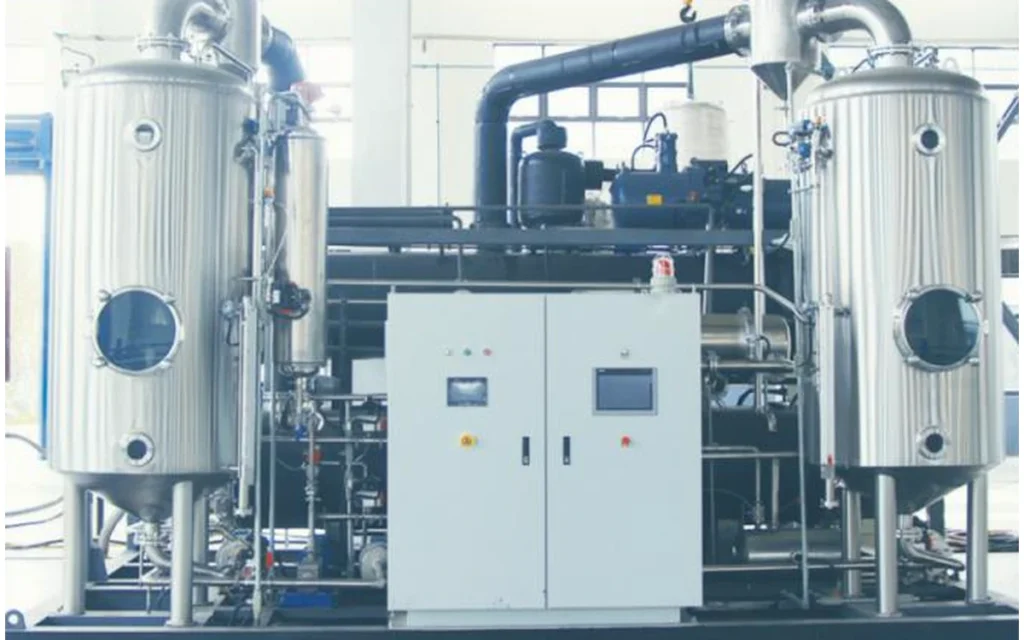
Available Extraction and Concentration System Configurations
Extraction and concentration systems can be configured in different ways depending on the raw materials, processing capacity, solvent requirements and desired final product. Selecting the right configuration helps manufacturers match their equipment to actual production needs.
1. Standalone Extraction and Concentration Equipment
For production processes requiring flexibility, extraction tanks and concentrators can be installed as separate units.
This arrangement allows manufacturers to select equipment according to individual processing requirements. Suitable filtration equipment, transfer pumps and storage tanks can be added as required.
2. Integrated Extraction and Concentration Systems
An integrated extraction and concentration system combines multiple processing functions into a coordinated equipment arrangement.
Depending on the configuration, the system may include extraction tanks, filtration equipment, vacuum concentrators, condensers, solvent recovery equipment and process controls.
Integrated systems can be considered for manufacturers planning a complete extraction and concentration production process.
3. Single-Effect Concentration Systems
Single-effect concentration systems use one evaporation stage to concentrate liquid extracts.
They may be suitable for applications with moderate evaporation requirements or production processes where a relatively simple concentration arrangement is preferred.
The final equipment selection depends on the required evaporation capacity, operating conditions and product characteristics.
4. Double-Effect and Three-Effect Concentration Systems
Double-effect and three-effect concentrators use multiple evaporation stages to improve thermal efficiency.
These configurations can be considered for larger evaporation requirements or applications where steam consumption is an important selection factor.
The appropriate number of effects should be determined according to processing capacity, energy requirements, available utilities and investment considerations.
5. Extraction and Solvent Recovery Systems
For processes using recoverable extraction solvents, suitable condensation and recovery equipment can be integrated with the extraction and concentration system.
The recovery arrangement depends on solvent properties, process temperature, operating conditions and applicable safety requirements.
ZHONGHAO MACHINERY can provide customized extraction and concentration equipment configurations based on the customer’s production process and technical requirements.
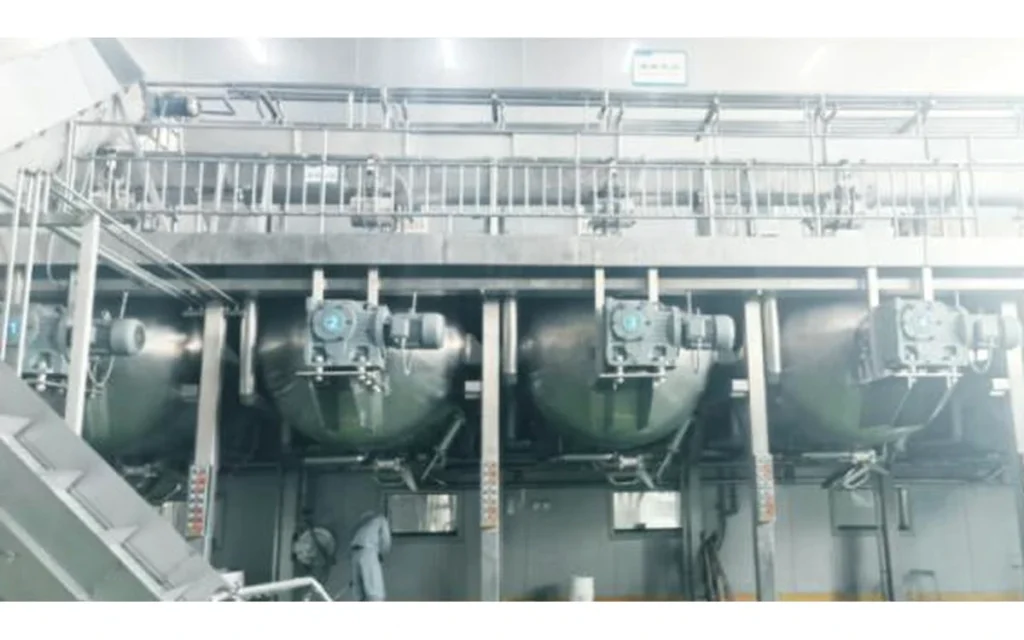
How to Choose the Right Extraction and Concentration System?
Choosing a suitable extraction and concentration system requires careful evaluation of raw materials, processing capacity, solvent properties, operating conditions and final product requirements. The following factors can help manufacturers select an appropriate equipment configuration.
1. Raw Material Characteristics
Different raw materials require different extraction conditions and equipment arrangements.
Botanical materials, herbs, food ingredients and other solid materials may vary in particle size, moisture content and extraction characteristics.
Understanding the raw material properties helps determine the appropriate extraction tank design, filtration method and processing conditions.
2. Processing Capacity and Production Requirements
The required batch capacity and daily production volume are important factors when selecting extraction and concentration equipment.
Manufacturers should consider the quantity of raw materials processed per batch, the expected liquid extract volume and the required production schedule.
These details help determine equipment capacity, system arrangement and whether standalone or integrated equipment is more suitable.
3. Extraction Solvent and Operating Temperature
Extraction systems may use water or other suitable solvents depending on the target compounds and production requirements.
Solvent properties, extraction temperature, operating pressure and material compatibility must be considered during equipment selection.
For processes involving flammable solvents, appropriate safety measures, equipment protection and applicable regulatory requirements must also be evaluated.
4. Concentration Capacity and Energy Efficiency
The required evaporation capacity is an important consideration when selecting a concentration system.
Single-effect concentrators may be suitable for applications requiring a relatively simple evaporation arrangement.
Double-effect and three-effect concentrators can be considered when higher evaporation capacity and improved steam economy are required.
The appropriate configuration depends on production volume, available utilities, operating conditions and investment requirements.
5. Product Quality and Vacuum Requirements
Some liquid extracts contain temperature-sensitive components that may require concentration at reduced operating temperatures.
Vacuum concentration can help reduce the boiling temperature of suitable liquid materials.
The required vacuum conditions, operating temperature and residence time should be evaluated according to the characteristics of the final product.
6. Automation and Production Line Integration
Extraction and concentration equipment can be configured with different levels of automation.
Depending on production requirements, systems may include temperature monitoring, pressure and vacuum control, pump operation, valve control and automated processing sequences.
Manufacturers should also consider equipment layout, available installation space, utility connections and integration with existing production lines.
Information Required for Equipment Selection
Before requesting a quotation, customers are encouraged to provide their raw material type, batch capacity, solvent requirements, extraction temperature, expected concentration ratio, evaporation capacity and preferred heating method.
Additional details about available utilities, automation requirements and installation conditions can help determine an appropriate system configuration.
ZHONGHAO MACHINERY can review these requirements and recommend suitable extraction and concentration equipment for the customer’s production process.
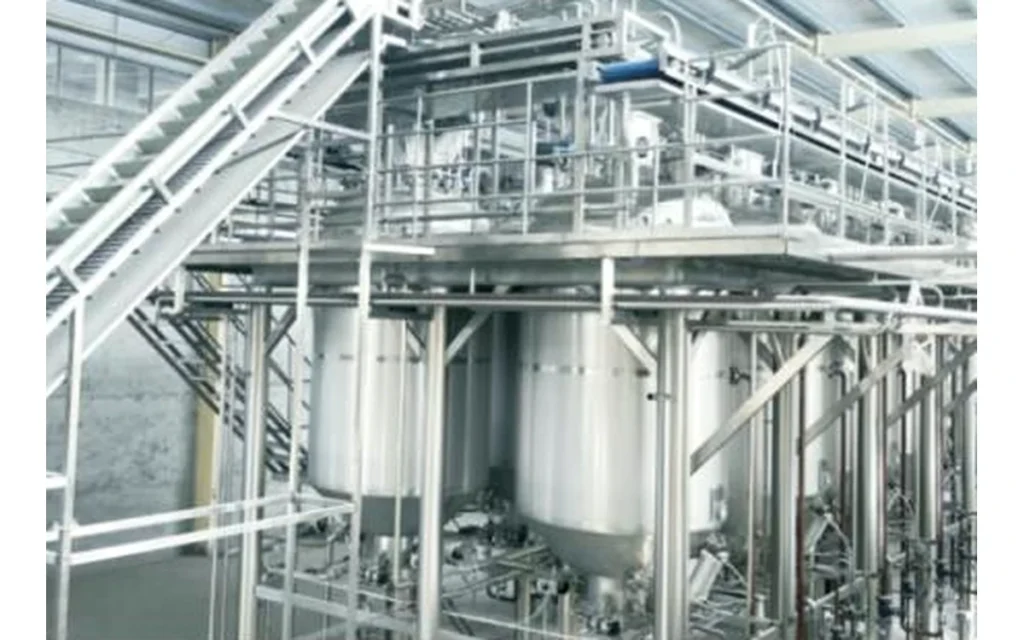
Typical Applications of Extraction and Concentration Systems
Extraction and concentration systems are used in industries that require the separation, processing and concentration of soluble components from raw materials. Equipment configurations can be customized according to raw material characteristics, extraction solvents, production capacity and final product requirements.
1. Botanical and Herbal Extraction
Extraction and concentration equipment can be used to process botanical materials, herbs, roots, leaves and other plant-based raw materials.
Depending on the extraction process, suitable equipment may include extraction tanks, filtration systems, vacuum concentrators and solvent recovery units.
The equipment configuration should be selected according to the raw material characteristics, extraction solvent, temperature requirements and desired extract concentration.
2. Food and Beverage Ingredient Processing
Extraction and concentration systems can support the production of suitable tea extracts, coffee extracts, botanical ingredients, natural flavors and other liquid food ingredients.
These applications may require controlled extraction temperatures, filtration and concentration processes to obtain the desired product characteristics.
Single-effect or multi-effect concentration systems can be selected according to evaporation capacity, product sensitivity and energy requirements.
3. Nutraceutical and Plant-Based Ingredient Processing
Plant-based ingredients and nutritional extracts may require extraction, solid-liquid separation and concentration before further processing.
Suitable equipment can be configured to process different raw materials and liquid extracts under controlled operating conditions.
Process parameters and equipment materials should be evaluated according to the product requirements and applicable manufacturing standards.
4. Cosmetics and Personal Care Ingredients
Extraction systems can also be used in the production of suitable botanical extracts and liquid ingredients for cosmetics and personal care formulations.
Depending on the formulation and extraction process, equipment may include stainless steel extraction tanks, filtration units, vacuum concentrators and transfer systems.
Material compatibility, operating temperature, cleaning requirements and solvent handling should be considered during equipment selection.
5. Pharmaceutical and Chemical Processing
Extraction and concentration equipment may be used for compatible pharmaceutical intermediate and specialty chemical processing applications.
These processes can require specific operating temperatures, vacuum conditions, solvent recovery arrangements and suitable equipment materials.
Equipment design, process validation, safety requirements and applicable regulatory standards must be evaluated for each application.
Customized Solutions for Different Industries
Different industries require different extraction capacities, concentration methods, heating arrangements and automation levels.
ZHONGHAO MACHINERY provides customizable extraction and concentration equipment solutions based on actual processing requirements, helping manufacturers select suitable equipment configurations for their production projects.
Frequently Asked Questions About Extraction and Concentration Systems
1. What is the difference between extraction and concentration?
Extraction is the process of separating soluble compounds from raw materials using a suitable solvent, such as water or another process-compatible liquid.
Concentration is the process of removing part of the solvent from a liquid extract, usually through evaporation, to achieve the desired product concentration.
These two processes can be performed using separate equipment or integrated into a complete extraction and concentration system.
2. What is the difference between single-effect and multi-effect concentrators?
A single-effect concentrator uses one evaporation stage to remove solvent from a liquid extract. It may be suitable for processes requiring a relatively simple concentration arrangement.
Double-effect and three-effect concentrators use multiple evaporation stages, allowing vapor from one stage to provide heat for another stage.
Multi-effect systems can improve steam economy and may be suitable for applications with higher evaporation requirements.
The appropriate configuration depends on production capacity, operating conditions, energy consumption and investment requirements.
3. Can an extraction and concentration system use alcohol as a solvent?
Yes. Extraction and concentration systems can be designed for suitable alcohol-based extraction processes.
However, the equipment materials, seals, heating arrangements, ventilation, electrical protection and solvent recovery configuration must be evaluated according to the solvent properties and operating conditions.
For processes involving flammable solvents, appropriate explosion protection and applicable safety requirements must be considered during system design.
4. Why is vacuum concentration used in extraction processing?
Vacuum concentration reduces the operating pressure inside the concentration equipment, allowing suitable liquids to evaporate at lower temperatures.
This method may be beneficial for temperature-sensitive extracts and products requiring controlled thermal processing.
The required vacuum level, operating temperature and evaporation capacity should be determined according to the actual product characteristics.
5. Can extraction and concentration equipment be integrated into one production system?
Yes. Extraction tanks, filtration equipment, vacuum concentrators, condensers, solvent recovery units and transfer pumps can be integrated into a coordinated processing system.
The system can be customized according to raw material characteristics, batch capacity, solvent requirements, equipment layout and automation needs.
An integrated configuration can help manufacturers coordinate the different processing stages within one production arrangement.
6. What information is required for an extraction and concentration system quotation?
To recommend suitable equipment, please provide the following information:
- Raw material type and characteristics
- Required batch capacity or daily production volume
- Extraction solvent and operating temperature
- Expected liquid extract volume
- Required final product concentration
- Estimated evaporation capacity
- Available heating utilities
- Preferred automation level
- Installation space and applicable technical requirements
ZHONGHAO MACHINERY can review your processing requirements and recommend a customized extraction and concentration equipment configuration for your production project.
Explore Our Extraction and Concentration Equipment
ZHONGHAO MACHINERY provides customized extraction and concentration equipment for botanical extracts, food ingredients, pharmaceutical processing and other suitable industrial applications.
Explore our available equipment to learn more about different configurations and technical specifications.
- Stainless Steel Extraction Tank — For extracting soluble compounds from suitable raw materials using water or compatible solvents.
- Single-Effect Concentrator — For liquid concentration using a single evaporation stage.
- Double-Effect Concentrator — For concentration applications requiring improved steam economy.
- Three-Effect Concentrator — For applications requiring multiple evaporation stages and higher thermal efficiency.
Equipment configurations can be customized according to processing capacity, solvent properties, heating requirements and automation preferences.
Request a Customized Extraction and Concentration Solution
Planning a new extraction and concentration production line or upgrading your existing equipment?
Tell us your raw materials, batch capacity, extraction solvent, required final concentration and processing conditions.
Our team can help you select suitable equipment and prepare a customized technical solution and quotation.